
Not only are simulated entities completely controlled by someone, they only exist in that someone’s world and cannot be conscious.
Later
Ctrl + ↑
Baskets for unwanted items
Stores should have baskets at every corner so nobody ever wastes time searching where to leave unwanted items.
Baikal bottle cap
Clean, beautiful, and informative:

Crazy new ideas
I wanted to publish a post about this for a long time, but Paul Graham beat me to it. Only better for me.
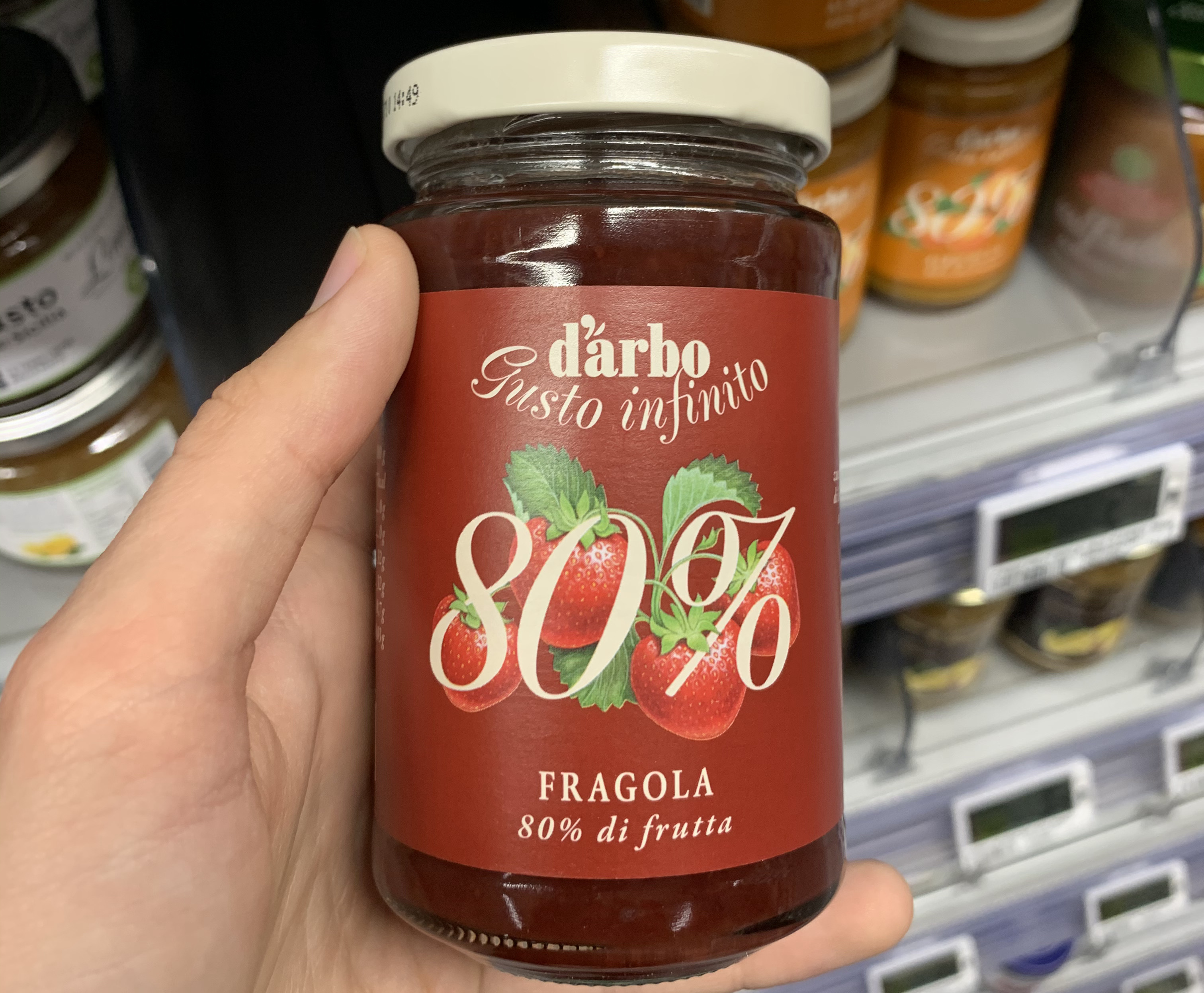
Beautiful Italian marmalade packaging
Attractive:

Bitcoin-powered NFTs
This is a sponsored post. The text is mine
Non-fungible tokens — NFTs — are proofs of ownership for scarce digital units built upon a blockchain, which is a distributed list of records.
The bitcoin blockchain is renowned for its strong settlement assurances: a transaction cannot be undone after being confirmed by miners. Since bitcoin has more miners than any other project in the world, it is harder to falsify and take down records at scale. The bitcoin blockchain’s resilience and record authenticity makes it the best choice for long-lasting NFTs.
Use cases for NFTs
- NFTs can be used for artistic experiments, such as “original” copies of drawings and soundtracks. The collage “Everydays: the first 5000 days” was bought for $69 million by a collector in March of 2021. However, there is no long-term value to this use case: the hype we’re seeing now is tulip-free tulip mania.
- It is better to use NFTs to create one-of-a-kind in-game assets, like collectibles and feature-unlocking tokens. This is an area worth exploring because video games are among the best social experiences possible online.
- The dominant use case for NFTs is likely to be decentralised domain names. Monopolistic organisations such as the Internet Corporation for Assigned Names and Numbers — ICANN — can raise prices, cut links between domain names and servers, as well as limit the availability of domain name extensions (such as .icannsucks, for example). To prevent potential censorship, we need to build decentralised domain name systems powered by NFTs.
Stacks helps to build decentralised systems upon the bitcoin blockchain with Clarity, a simple, secure, and reliable programming language tailored specifically for creating smart contracts: it has a function dedicated to creating NFTs! Also, it is an interpreted language, meaning that it is always human-readable and auditable.
Build NFTs on top of the bitcoin blockchain with Stacks and Clarity
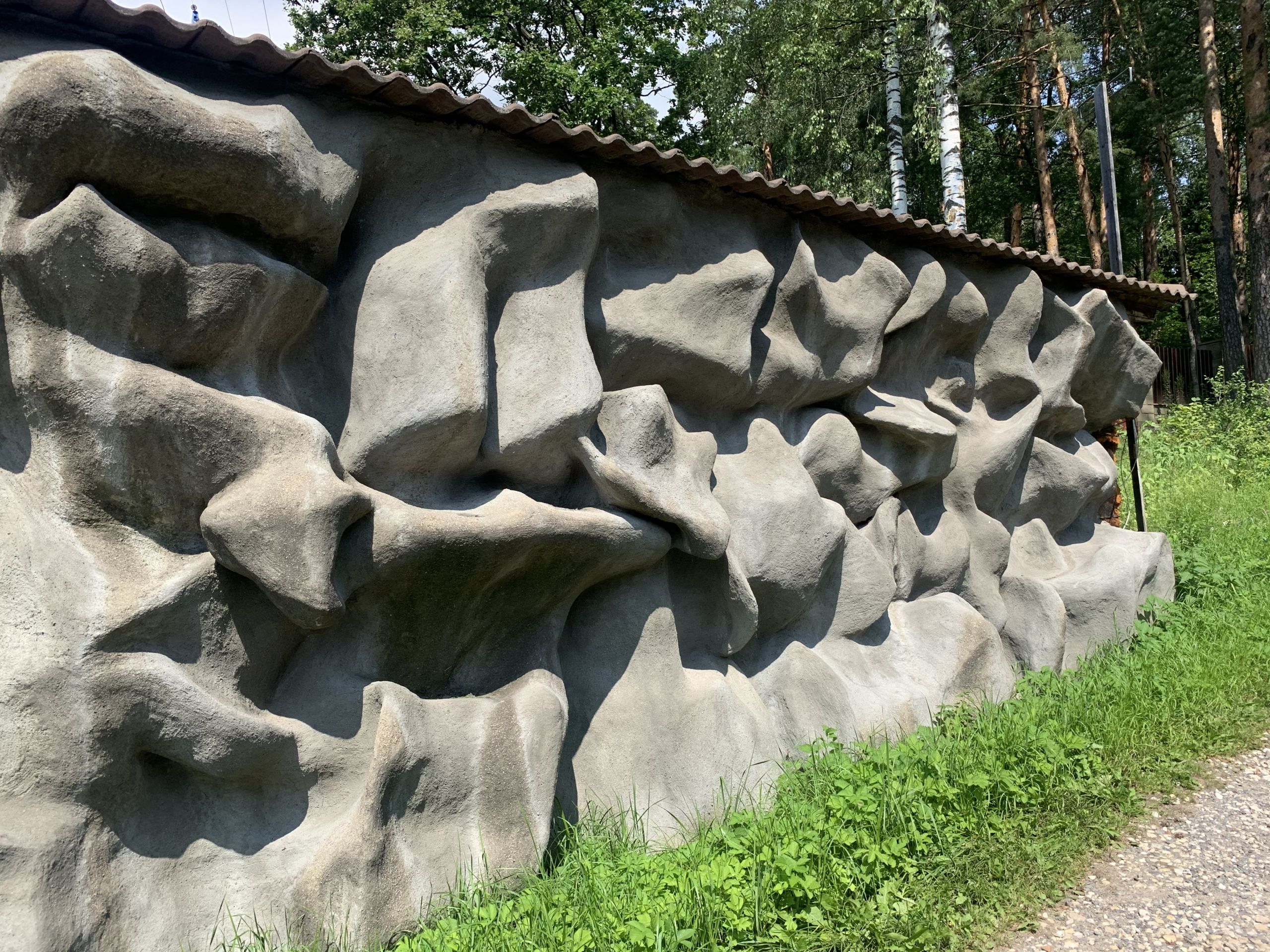
Interesting rock construction
Interesting rock construction in Moscow Oblast:
Don’t be ascetic
Ascetics are defined as people who pursue extreme self-denial and austerity.
Such actions lead to a boring life and loss of attention to surroundings. Non-destructive pleasures should never be disregarded, and, moreover, should be satisfied by all means.
Minimalism and self-improvement by self-restraint are completely different stories.
Public healthcare is unfair
Moscow laws clearly state that people must wear face masks in public transport, but some people don’t comply. They fall ill, only to be healed with tax money of those who do comply.
If this isn’t unfair, nothing is.
Read also: Pandemic havens
Progressive: the radical left is stealing a word’s definition
Progress is defined as advancement to a higher or more developed state; development, growth.
So-called Progressives believe that minimally regulated laissez-faire capitalism with monopolistic corporations impedes progress.
Their beliefs are foolish. Most regulations are corrupt anti-incentives (often set up by special interest groups) that kill popular desire to start businesses. When there are close to no regulations, everyone who can and wants to earn money will earn money. Private enterprise creates more wealth for everybody, while government shuffles around what already exists and takes a cut for itself. A company that becomes a monopoly in a free market is significantly more efficient than its competitors.
The wrong ideas of so-called Progressives only hinder growth, while true progress is growth.
Read also: Organic — agribusiness is changing a word’s definition
Earlier
Ctrl + ↓